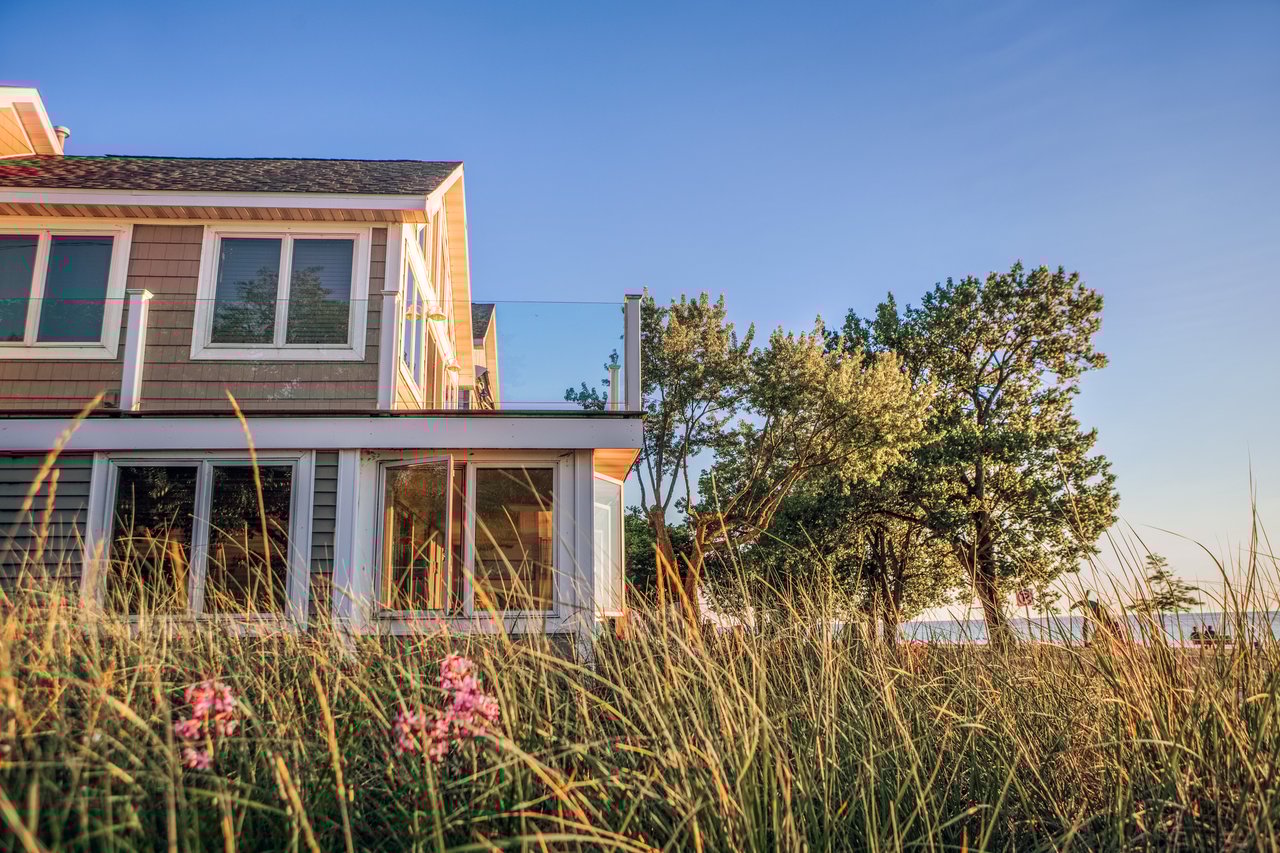
A Kennebunkport cottage can feel like the ideal second home, but the right purchase is about more than charm. If you are picturing summer walks, quiet weekends, and a place that holds its value over time, you also need to think about winter weather, coastal exposure, maintenance, and local rules. This guide will help you focus on the details that matter most so you can choose a cottage that supports your lifestyle and protects your investment. Let’s dive in.
Why Kennebunkport cottages need a careful eye
A second home in Kennebunkport offers a classic coastal Maine experience, but it also comes with conditions that shape how a property performs year-round. NOAA climate normals for 1991 to 2020 show a mean daily maximum of 55.1°F, a mean daily minimum of 35.6°F, annual precipitation of 52.0 inches, and annual snowfall of 48.9 inches. In practical terms, that means your cottage needs to handle moisture, freeze-thaw cycles, snow load, and long off-season stretches.
If you will not live in the home full-time, those conditions matter even more. A house that looks beautiful in July may become expensive to manage in January if the roof, drainage, insulation, or plumbing are not ready for Maine winters. That is why smart second-home buying here starts with function first and finishes second.
Start with site exposure
In coastal Maine, the lot is part of the decision. Maine MEMA notes that coastal flooding can result from storm surge, high astronomical tides, waves, and sea-level rise, and that erosion affects many parts of the coast on an ongoing basis. The Maine Climate Council recommends planning for 1.5 feet of sea-level rise by 2050 and 4 feet by 2100.
If a cottage sits near the shoreline or on lower-lying land, ask about flood-zone status early. You will also want to understand how exposed the site is to wind, water, and drainage issues before you get attached to cosmetic details. A well-placed cottage with a more manageable setting can be the better long-term choice than a more dramatic property with higher risk.
Questions to ask about the site
- Is the property in a flood zone?
- How close is the home to tidal water or coastal wetlands?
- Are there visible signs of erosion, standing water, or shoreline wear?
- How does runoff move across the lot during heavy rain or snowmelt?
- Has the owner made any site improvements to address water or drainage?
When a home is close to the water, Maine Geological Survey guidance for coastal property owners can help frame the right questions. For buyers, the main takeaway is simple: treat coastal exposure as a core buying factor, not a side note.
Put winterization near the top of your list
Many second-home buyers focus first on views, guest space, or style. In Kennebunkport, winter readiness deserves equal attention. With measurable snowfall from November through April, a cottage should be able to sit safely through colder months, whether you visit often or only occasionally.
Look closely at roof condition, insulation, pipe protection, and the overall ability of the home to handle freezing temperatures. Drainage matters too. Water that pools near the foundation or backs up around entry points can create expensive problems over time.
Features that support off-season use
- Reliable heating systems
- Protected plumbing and insulated vulnerable areas
- Sound roof condition
- Gutters and grading that direct water away from the home
- Easy-to-maintain exterior materials
- Safe access during snow and ice season
At Bedard, design and construction knowledge matter in moments like this. A second home should feel easy to own, not like a project waiting to happen.
Pay close attention to layout and maintenance
A cottage can be charming and still be inefficient. Older homes sometimes include improvised sleeping areas, awkward stairs, or maintenance-heavy features that become less appealing once you own them. For a second home, simple and durable often wins.
The Town of Kennebunkport’s short-term-rental inspection checklist offers a useful practical lens, even if you do not plan to rent the property. It highlights items such as visible address numbers, maintained deck and stair rails, sufficient parking, secondary means of egress, smoke alarms, carbon monoxide alarms where applicable, GFCI protection in kitchens and baths, and electrical and mechanical systems in good repair. These are everyday ownership details that can tell you a lot about how much upkeep a home will require.
Signs a cottage may be easier to own
- Decks, steps, and railings appear well maintained
- Electrical and mechanical systems look updated and serviceable
- Kitchens and baths have proper safety protection like GFCI outlets
- Parking is workable for your actual use
- Bedroom count appears consistent with the home’s documentation
- Lower-level sleeping areas have proper egress features
A second home works best when it fits how you will actually use it. If you host only a few times each year, you may not need extra square footage that adds cost and maintenance. A smaller, smarter layout can deliver more enjoyment and fewer surprises.
Check shoreland and septic details early
Some of the most important due diligence in Kennebunkport happens behind the scenes. Maine’s shoreland zoning law applies to land within 250 feet of tidal waters, rivers, great ponds, coastal wetlands, and certain streams. Municipalities can adopt stricter rules, and local code enforcement is the right source to confirm setbacks, additions, and whether an older cottage is legally nonconforming.
That matters if you are thinking about future changes. An addition, deck expansion, or renovation may be shaped by local shoreland requirements, even if the home has existed for many years. If flexibility matters to you, confirm the property’s status before closing.
Septic is another major issue. If the property has a subsurface wastewater system and is in the shoreland zone, Maine law requires a certified inspection when ownership transfers. Septic age, location, condition, and documentation can have a major effect on your post-closing costs, so this is not an area to leave for later.
Due diligence items worth confirming
- Whether the property is in the shoreland zone
- Whether existing structures or additions comply with local rules
- Whether the cottage may be legally nonconforming
- Septic system age and location
- Required septic inspection status at transfer
- Available records for repairs, replacements, or permits
Understand the real holding costs
A second home budget should include more than the purchase price. In Maine, the homestead exemption applies only to a primary residence. Camps, vacation homes, and second residences do not qualify, so you should evaluate property taxes without assuming that exemption will reduce your cost.
Insurance also deserves early attention, especially near the coast. Maine MEMA states that standard homeowners insurance does not cover flood damage, flood insurance may be required in high-risk zones or with federally backed mortgages, new flood policies take 30 days to become effective, and nearly one-third of claims come from outside high-risk zones. That is a strong reason to price flood coverage early, not after you have already fallen in love with a property.
Budget categories to review before you buy
- Property taxes without homestead relief
- Homeowners insurance
- Flood insurance, if applicable
- Snow removal and seasonal maintenance
- Heating and utility costs during vacant periods
- Exterior upkeep and repair reserves
For many buyers, the best cottage is not the most elaborate one. It is the one with predictable costs, durable systems, and a maintenance profile that matches how often you plan to be there.
If you may rent the cottage sometimes
Some second-home buyers want personal use first and occasional rental income second. In Kennebunkport, that decision involves local licensing, not just market demand. The town requires a short-term-rental license before any dwelling unit can be advertised, rented, or used for stays of less than 30 consecutive days.
According to the town’s FAQ, licenses are annual, new applications can be waitlisted, and the annual cap is set by the Select Board. Goose Rocks Beach is exempt from the cap, but not from licensing. The license applies to one dwelling unit only, must be renewed yearly, must be posted inside the unit with the Good Neighbor Guide, and the license number must appear in advertisements.
Fees are $325 for three bedrooms or fewer and $575 for four bedrooms or more. The town also states that if you buy a home with an existing short-term-rental license, that license remains valid only through the end of the calendar year. In addition, Airbnb and Vrbo do not collect or remit lodgers’ tax on the owner’s behalf.
What rental-minded buyers should verify
- Whether a license is currently in place
- When that license expires
- Whether new licenses are currently available or waitlisted
- Whether the home meets inspection and posting requirements
- Whether bedroom count and occupancy align with town standards
- Whether rental use fits your goals and management capacity
In other words, rental potential is not just about having extra bedrooms or a good location. It is also about whether the property offers the regulatory flexibility you need.
A simple framework for choosing well
When you compare cottages in Kennebunkport, it helps to use a consistent filter. The strongest second-home options usually perform well in five areas: site exposure, winterization, layout efficiency, maintenance burden, and regulatory flexibility. This approach keeps you focused on long-term fit instead of getting distracted by surface appeal.
Here is a practical way to think about it:
| Category | What to Look For |
|---|---|
| Site exposure | Clear flood and shoreline context, manageable drainage, less erosion risk |
| Winterization | Roof strength, protected plumbing, dependable heating, strong moisture control |
| Layout | Efficient bedrooms, safe access, usable storage, practical guest flow |
| Maintenance | Durable materials, simpler systems, manageable exterior upkeep |
| Flexibility | Clear shoreland status, septic documentation, realistic rental options if needed |
A beautiful cottage should still work hard for you. The right one will support easy ownership, seasonal comfort, and fewer unknowns over time.
If you are weighing options in Kennebunkport, a design-aware and construction-literate buying process can make a real difference. With the right guidance, you can look beyond staging and summer charm and identify the home that truly fits your goals. When you are ready to talk through second-home options along the Southern Maine coast, connect with Bedard Realty.
FAQs
What should you check first when buying a second-home cottage in Kennebunkport?
- Start with site exposure, flood-zone status, winterization, and overall maintenance needs before focusing on finishes or decor.
How does coastal flooding affect a Kennebunkport second home?
- Coastal flooding risk can be shaped by storm surge, tides, waves, and sea-level rise, so buyers should verify flood-zone status and shoreline exposure early in the process.
Why does winterization matter for a cottage in Kennebunkport?
- Kennebunkport sees measurable snowfall from November through April, so roof condition, drainage, insulation, and pipe protection are key for off-season ownership.
What local rules matter for a cottage near the water in Kennebunkport?
- Shoreland zoning rules may affect setbacks, additions, and whether an older home is legally nonconforming, so buyers should confirm details with local code enforcement.
What should you know about septic when buying a Kennebunkport cottage?
- If the property has a subsurface wastewater system and sits in the shoreland zone, Maine law requires a certified inspection at ownership transfer.
Can you use a Kennebunkport second home as a short-term rental?
- You may be able to, but the town requires a short-term-rental license, annual renewal, compliance with local rules, and availability may be affected by licensing caps or waitlists.
Do second homes in Maine qualify for the homestead exemption?
- No. Maine’s homestead exemption applies only to a primary residence, not to camps, vacation homes, or second residences.
Do you need flood insurance for a second home in Kennebunkport?
- Standard homeowners insurance does not cover flood damage, so buyers should review flood insurance needs early, especially for homes in or near higher-risk areas.