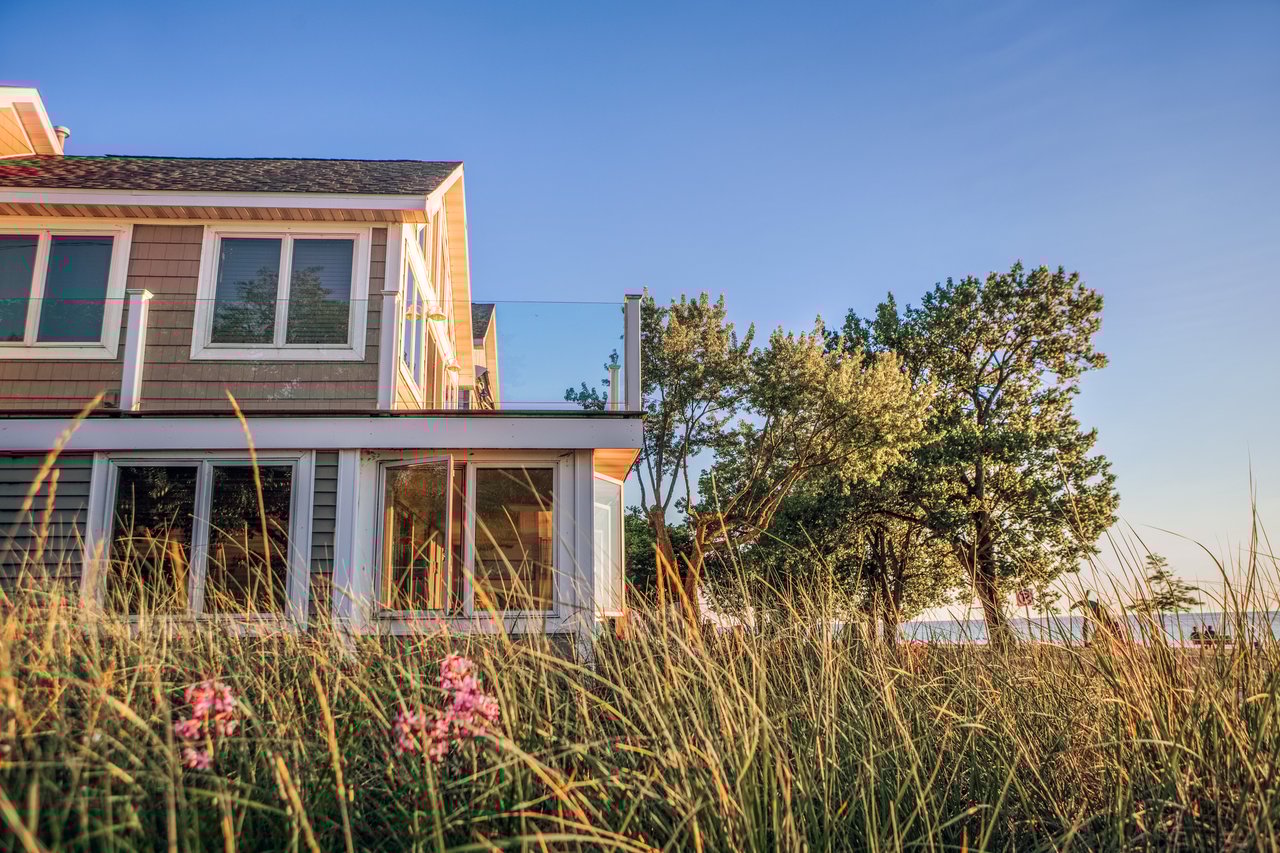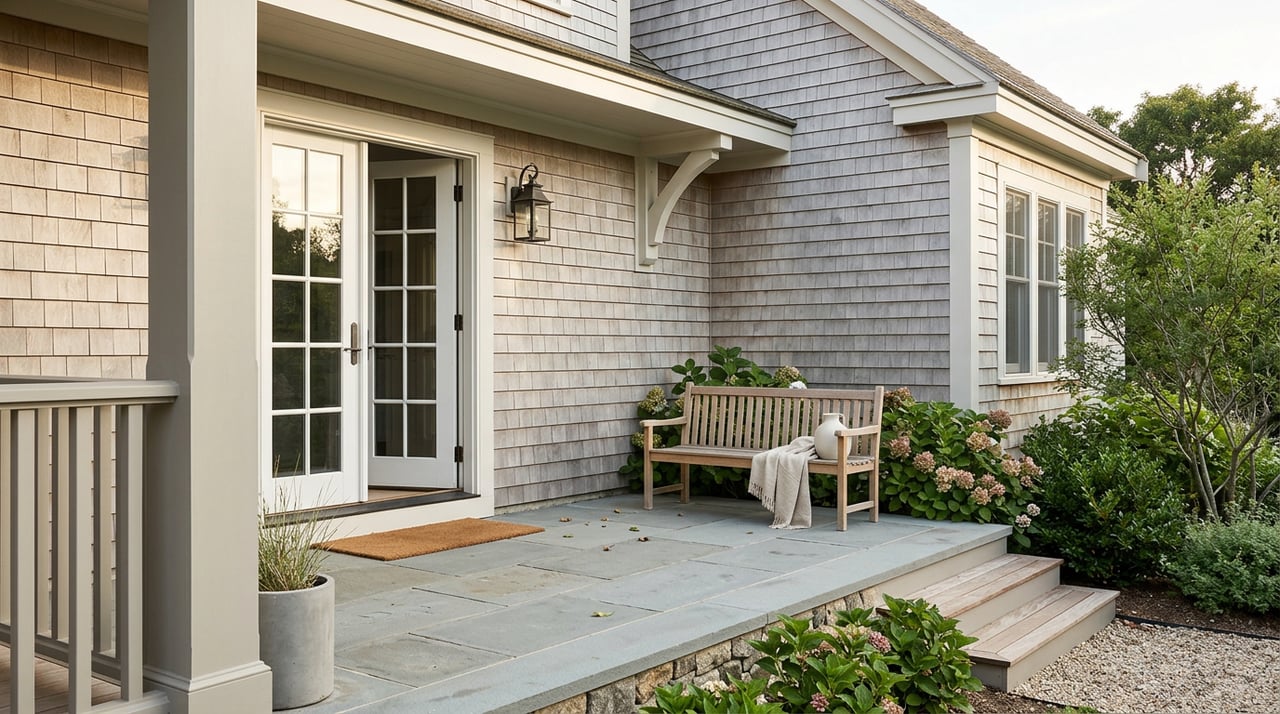
Salt air, sandy feet, and unhurried mornings are what bring you to Kennebunkport. The right design turns that vision into a home that looks timeless and lives easy in every season. In this guide, you will learn how to plan for coastal conditions, pick durable finishes, and create a calm, effortless flow that welcomes guests without extra upkeep. Let’s dive in.
Plan for Kennebunkport’s coast
Verify tides, flood maps, and elevation
Before you sketch a porch or set a floor height, ground your plan in local water data. NOAA’s Kennebunkport station shows mean high water at about 9.18 feet on the MLLW datum, a useful reference when thinking about base flood elevation and low exterior spaces. Check the datum at the source using the NOAA Tides & Currents page for Kennebunkport’s station (station 8418911).
Visualize future conditions with the NOAA Sea Level Rise Viewer for Maine. It helps you see potential inundation layers so you can site steps, garages, and terraces with realistic buffers (NOAA SLR Viewer).
Always confirm your parcel’s flood zone on the FEMA Flood Map Service Center before you finalize floor elevations or insurance expectations. Use flood damage‑resistant materials below the mapped BFE and elevate mechanicals and wiring where needed (FEMA MSC). For material choices below BFE, follow FEMA Technical Bulletin 2 (TB‑2) for what qualifies as flood‑resistant finishes and corrosion‑resistant connectors (FEMA TB‑2).
Check shoreland zoning and historic character
Kennebunkport enforces shoreland and resource‑protection standards that affect setbacks, lot coverage, and allowable uses in the shoreland zone. Review the town’s zoning text to understand overlays, coverage limits, and any historic guidance that influences exterior style and finish colors (Kennebunkport zoning). In practice, this often favors shingle or clapboard exteriors, low profiles, and restrained trim that echo local precedents.
Design principles for a relaxed retreat
Lead with a calm palette and durable layers
A relaxed home starts with quiet color. Think soft whites, sandy neutrals, and washed blues or greens that reflect the coast without feeling themed. Pair that with finishes that age well: cedar shingles that silver, honed stone that hides wear, and performance textiles that shrug off salt and sun.
Make indoor and outdoor flow effortless
A clear path from kitchen to a covered or screened porch keeps gatherings easy through spring, summer, and fall. Include a rinse zone and a mudroom with a bench, hooks, and a drainable boot tray to stop sand at the door. This Old House calls out mudroom and laundry adjacency as a top beach‑house must for keeping upkeep low (This Old House beach design tips).
Choose low‑maintenance from the start
Salt air finds the weak points first. Specify coastal‑rated windows and doors, marine‑grade or coated metals, capped composite or PVC decking, and UV‑stable outdoor fabrics. Keep systems simple to service and ready for year‑round use so your place feels relaxing, not like a project.
Exterior selections that weather well
Siding and roofing that fit Kennebunkport
If you love an authentic coastal look, cedar shingles are classic in southern Maine when installed with proper ventilation, flashing, and a maintenance plan. If you want lower upkeep, look to fiber‑cement or high‑quality composites in shingle profiles that read like wood but extend repaint cycles. For the roof, standing‑seam metal with compatible flashings or high‑performance architectural shingles handle wind, sun, and salt with fewer surprises.
Fasteners, rails, and exposed metal
Use hardware that is ready for salt. 316 or 316L stainless steel fasteners, railings, and connectors outperform 304 stainless in chloride environments and help prevent pitting, staining, and early failure. Industry guidance documents the chloride resistance benefits of higher molybdenum alloys used in coastal settings (WorldStainless overview).
Windows, doors, and big openings
Select coastal‑rated windows and doors with stainless or specified coastal hardware packages. In coastal homes, inspectors often see early wear at tracks, hinges, and seals due to salt exposure. Multi‑panel sliders or stacking doors create wide openings for summer but need durable frames and hardware designed for marine conditions (ASHI waterfront inspection notes).
Decking and porches built for salt air
For long‑lasting decks, capped composite or PVC boards with powder‑coated aluminum or well‑detailed framing reduce maintenance and resist moisture. If you prefer natural wood, dense tropical hardwoods can work with a strict maintenance schedule and stainless fasteners, but expect silvering or regular oiling. Industry comparisons consistently show composite and PVC advantages in high‑moisture and coastal environments (Decking material guidance).
Interiors made for salt and sand
Floors by function
Start with waterproof and easy‑clean floors in the ground‑floor entry, kitchen, mudroom, and laundry. Large‑format porcelain tile and rigid‑core LVP handle moisture and sand without fuss. In bedrooms and quieter spaces, engineered hardwood with a sealed finish or high‑quality LVP strikes a warm, practical balance (This Old House beach design tips).
Kitchen and living that host well
Anchor the main level with a generous island for social cooking. Choose durable, low‑glare surfaces like quartz or honed granite and a full‑height tile backsplash behind high‑use zones. A small scullery or wet bar near the kitchen keeps prep separate when the house is full. Add a multi‑panel door to a covered or screened porch so you can keep the party outside when weather turns.
Guest spaces that flex
Plan a main‑level guest suite for easy access and quieter mornings. Bunk alcoves or a small den with a daybed add sleeping options without dedicating an entire room. Two full baths make peak weeks smoother, and a lockable linen closet plus nearby laundry simplifies turnovers.
Bathrooms and the must‑have outdoor shower
Tile floors, tiled wet walls, and flood‑resistant finishes offer resilience in bath spaces that may see extra moisture. If any portion of a bathroom is at or below the BFE, follow FEMA TB‑2 for acceptable materials and corrosion‑resistant connectors. Outside, a simple hot‑cold rinse shower near the side yard with composite decking keeps sand where it belongs (FEMA TB‑2).
Systems and energy that fit coastal Maine
Cold‑climate heat pumps are a practical, efficient option in southern Maine when specified correctly and zoned for comfort. Place mechanicals above the lowest expected flood level and route wiring high when flood maps warrant it. Mount exterior condensers on pads or brackets with clear access for rinsing and service.
Site, landscape, and stewardship
Favor native, salt‑tolerant plants that handle wind and spray with minimal care. Regional guidance points to choices like beach plum, seaside goldenrod, and other coastal‑adapted species. When possible, use pervious paving and keep terraces and driveways outside strict shoreland setbacks to respect coverage limits (UMaine coastal planting guidance).
Room‑by‑room coastal checklist
Entry and mudroom
- Built‑in bench with washable cushion, wall hooks, cubbies, and a drainable boot tray.
- Porcelain or rigid‑core LVP flooring and a utility sink or dog‑wash station.
- Elevated washer and dryer if the area is flood‑prone.
Kitchen and dining
- Durable counters and full‑height backsplashes at work zones.
- Scullery or wet bar for hosting.
- Multi‑panel door to a covered or screened porch.
Living and media
- Performance fabrics, washable slipcovers, raised‑leg furniture, and low‑glare finishes.
- Smart storage for games and beach gear near exits.
Bedrooms and guest spaces
- Engineered hardwood or LVP plus area rugs that can be cleaned outdoors.
- Flexible sleeping options and quiet task lighting.
Baths and laundry
- Tiled floors and walls in wet areas and flood‑resistant materials where required.
- Hooks, shelves, and ventilated storage for quick dry‑out.
Outdoor living
- Capped composite or PVC decking, powder‑coated railings, and a ceiling fan on covered porches.
- Outdoor kitchen close to the interior kitchen to simplify prep.
- Rinse shower on a side elevation with privacy screening.
Care and upkeep habits that pay off
- Rinse exterior metals, window tracks, and glass monthly in salt‑spray seasons. Windward sides need the most attention, and tracks and hardware are common early failure points in coastal homes (ASHI waterfront inspection notes).
- Plan a 2 to 5 year cycle for exterior coatings, gutter cleaning, roof and flashing checks, and decking washdowns. Composite and PVC reduce the work but still benefit from seasonal cleaning.
Permitting and siting quick‑start
- Check your parcel on the FEMA MSC to verify the effective FIRM panel and flood zone. Use those results to guide floor elevations and materials below BFE (FEMA MSC).
- Confirm if your site is in the Shoreland Zone and note lot coverage limits and setbacks using the town’s zoning code (Kennebunkport zoning).
- Use the NOAA Sea Level Rise Viewer to stress‑test siting for decks, steps, and low landscape areas (NOAA SLR Viewer).
- Specify 316 or 316L stainless for exposed fasteners and select coastal hardware packages for doors and windows (WorldStainless overview).
Bring your Kennebunkport vision to life
You want a coastal retreat that feels effortless on arrival and looks better each season. With design‑smart planning, coastal‑rated materials, and a few simple maintenance habits, you can enjoy calm mornings and easy hosting without constant touch‑ups. If you are ready to plan, source, and build with one integrated, design‑led team, connect with Bedard Realty for a consultation.
FAQs
What should I check first when designing a Kennebunkport coastal home?
- Start with flood risk and elevation. Verify your parcel on the FEMA Flood Map Service Center, note the local mean high water from NOAA, and plan floor heights and materials accordingly.
Which exterior materials last in Kennebunkport’s salt air?
- Choose cedar shingles with a maintenance plan or fiber‑cement shingle profiles for lower upkeep, standing‑seam metal or architectural shingles for roofing, and 316 stainless fasteners and railings for corrosion resistance.
How do I design a deck or porch near the water in 04046?
- Use the NOAA Sea Level Rise Viewer and local flood maps to confirm safe elevations, then select capped composite or PVC decking with powder‑coated rails. Keep electrical elevated and specify coastal‑rated fixtures.
What interior flooring resists sand and moisture in a beach house?
- Large‑format porcelain tile and rigid‑core LVP handle sand, spills, and rinse‑downs well on the main level, while engineered hardwood or LVP is a warm choice for bedrooms with easy cleaning.
What is shoreland zoning and why does it matter in Kennebunkport?
- The shoreland zone includes areas near normal high water and sets rules for setbacks, lot coverage, and uses. Knowing whether your property sits in this zone shapes site plans, permitting needs, and exterior treatments.