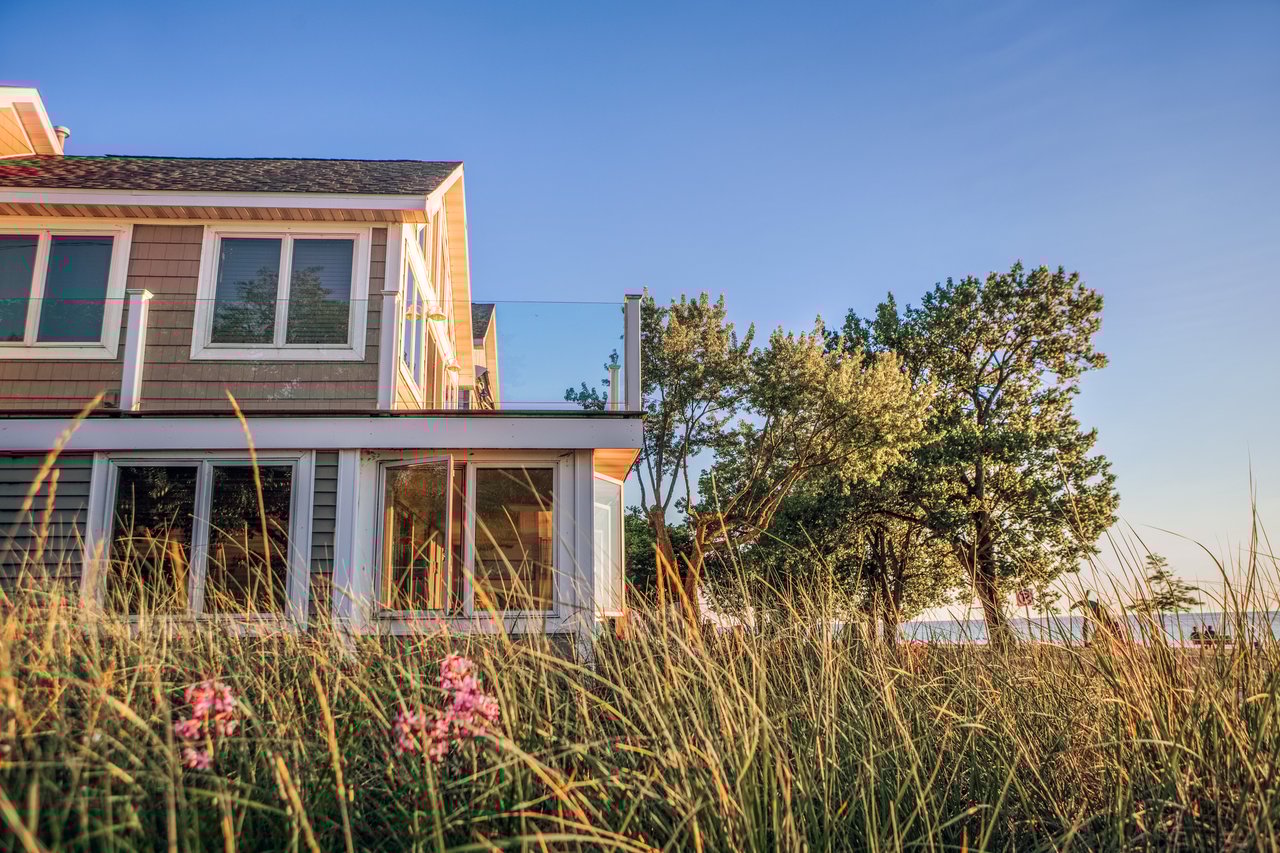
What makes a home feel good in both January and July? In Portland, that answer goes far beyond paint colors and furniture placement. If you are building, renovating, or buying with comfort in mind, the smartest choices are the ones that help your home stay warm, dry, bright, and usable through snow, rain, summer sun, and coastal weather. Let’s dive in.
Why four-season comfort matters in Portland
Portland is a true four-season climate. NOAA normals for Portland International Jetport show a mean annual temperature of 47.5°F, with January averaging 24.0°F and July averaging 70.4°F.
Those same normals show 48.12 inches of annual precipitation and 68.7 inches of annual snowfall. In practical terms, that means your home has to handle cold, snowy winters and warmer, wetter summers without feeling drafty, damp, or overheated.
That is why four-season comfort should be part of the design conversation from day one. In Portland, comfort is not just about style. It is about how the home performs through every season.
Start with the home envelope
If you want a home to feel consistently comfortable, start with the envelope. That includes insulation, air sealing, moisture control, windows, and the way the house holds conditioned air.
According to the U.S. Department of Energy, insulation, air sealing, and moisture control are central to energy efficiency, health, and comfort. In a climate like Portland’s, those elements help keep heat inside during winter and reduce unwanted heat gain and moisture issues during warmer months.
This matters even more because Maine’s building code framework is active statewide through MUBEC, and Portland is among the communities that have adopted the stretch code. For you as a homeowner, that means comfort should be treated as a systems and construction issue early on, not as a last-minute finish decision.
Why windows deserve extra attention
Windows have a major effect on how a home feels every day. DOE notes that windows can account for 25% to 30% of residential heating and cooling energy use, so selection and installation quality matter.
For colder weather, DOE recommends low-e, gas-filled windows with low U-factors. For warmer periods, exterior shading such as awnings or exterior blinds can help reduce solar gain and make interior spaces feel more stable.
Window treatments also play a larger role than many people expect. Tight-fitting insulating shades, closing shades at night, and using daylight strategically during the day can all support year-round comfort.
Design entry spaces for real life
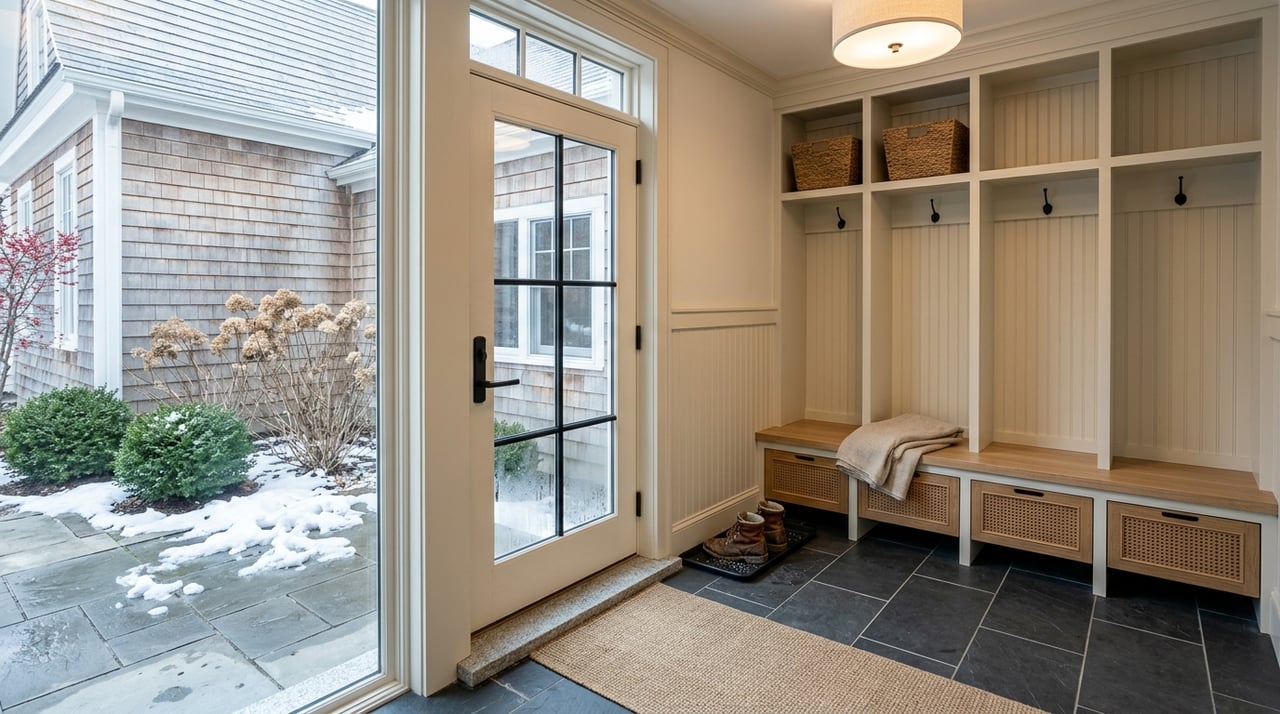
In Portland, your entry does a lot of heavy lifting. Snow, wet shoes, salt, coats, rain gear, and boots need a place to stop before they spread moisture and mess through the rest of the house.
That is why mudrooms, vestibules, and dedicated storage zones deserve real planning attention. In many Portland homes, these spaces are just as important to daily comfort as a kitchen or living room.
A well-planned transition space can help your home feel calmer and cleaner in every season. It can also reduce wear on flooring and keep moisture from traveling too far into the main living areas.
Features that support a better entry
If you are thinking about layout or renovation ideas, these features can make a big difference:
- A bench for taking off boots
- Hooks for coats and bags
- Cubbies for daily storage
- Durable flooring that handles wet traffic
- Easy-to-clean wall finishes
- A drying closet or dedicated wet-gear zone
- Doors or layout zoning that help contain drafts and mess
These are simple choices, but in a snowy and wet climate, they can improve how your home works every single day.
Choose finishes that handle moisture well
Portland’s weather makes moisture control a year-round priority. Rain, snow melt, tracked-in slush, and interior condensation can all affect how your home looks and feels.
That is why high-traffic finishes should be selected for durability as much as style. At entries, moisture-resistant flooring can hold up better under boots and salt. In kitchens, baths, and busy family zones, wipeable wall finishes and resilient surfaces make day-to-day upkeep easier.
EPA emphasizes that moisture control is central to mold prevention and comfort. EPA also recommends keeping indoor humidity below 60% when possible, ideally in the 30% to 50% range.
Rooms where moisture planning matters most
Some spaces need more attention than others. In Portland homes, these are often the key pressure points:
- Entryways and mudrooms
- Bathrooms with regular condensation
- Kitchens with cooking moisture
- Basements or lower levels
- Laundry areas
When these spaces are designed with moisture in mind, the whole house tends to feel more comfortable and easier to maintain.
Balance daylight, ventilation, and control
A bright home feels inviting in every season, but light and ventilation work best when they are adjustable. In Portland, that flexibility matters.
DOE notes that operable windows and skylights can support stack-effect ventilation in open layouts. Cross-breezes can be helpful, especially in milder weather, but natural ventilation should not be your only strategy.
DOE also warns that natural ventilation works best in dry or moderate conditions and can contribute to mold and indoor air quality concerns in humid climates. In Portland, the most comfortable homes typically pair fresh air opportunities with reliable mechanical ventilation and moisture control.
Smart ways to layer comfort
Comfort usually comes from several small decisions working together. Consider features such as:
- Operable windows for mild days
- Shading that helps control summer sun
- Interior window treatments that support winter heat retention
- Mechanical ventilation for more consistent indoor air quality
- Room zoning that lets parts of the home close down at night or during shoulder seasons
This layered approach helps your home feel usable and balanced instead of overcorrecting for one season at the expense of another.
Think beyond interiors
Four-season comfort does not stop at the front door. Outdoor transitions matter too, especially in a coastal city where snow, rain, and flooding concerns can overlap.
Maine MEMA identifies flooding as one of the state’s most frequent and damaging natural hazards. It notes that coastal flooding can be driven by storm surge, high astronomical tides, waves, and sea-level rise.
MEMA also states that the Maine Climate Council recommends planning for 1.5 feet of sea-level rise by 2050 and 4 feet by 2100. If you are considering a home near the water or in a lower-lying area of Portland, that context should shape how you think about site planning and exterior spaces.
Exterior features that support comfort
Covered and protected transitions are especially useful in Portland. They help your home handle wet boots, snow melt, and stormy weather without making daily life feel awkward or temporary.
Helpful design features may include:
- Covered entries
- Protected landings
- Thoughtful drainage around access points
- Storage placed away from likely flood paths
- Lower-level planning that accounts for wet conditions
For Portland-specific projects, the city maintains flood information and FEMA flood-map resources. Reviewing site conditions before finalizing a porch, basement, or first-floor layout is a practical step that can support both comfort and long-term use.
Comfort should guide buying decisions too
If you are shopping for a home in Portland, four-season comfort is worth evaluating before you fall in love with finishes alone. A beautiful space may still feel challenging if the entry lacks storage, the windows underperform, or lower-level spaces take on moisture.
When you walk through a home, pay attention to how it likely functions in February and in August. Look at window placement, storage, exterior protection, and whether the layout seems ready for boots, layers, damp weather, and changing light.
In many cases, the most successful homes are the ones that quietly solve seasonal problems before they become daily frustrations. That kind of design tends to age well because it is grounded in how you actually live.
A Portland home should feel calm year-round
The best four-season homes in Portland do more than look good in listing photos. They hold heat in winter, limit summer glare, manage moisture, and create practical transitions between outside weather and indoor living.
That balance is what turns good design into lasting comfort. Whether you are building new, renovating thoughtfully, or evaluating homes with a sharper eye, the goal is the same: a house that feels calm, dry, bright, and easy to live in through every Maine season.
If you are thinking about a move, renovation, or custom home in Southern Maine, Bedard Realty can help you evaluate the design choices that support beauty, comfort, and everyday function.
FAQs
What does four-season comfort mean for a Portland home?
- Four-season comfort means designing or choosing a home that stays warm in winter, manageable in summer, and dry and usable through Portland’s snow, rain, and changing coastal weather.
Why are mudrooms important in Portland, Maine homes?
- Mudrooms help contain snow, wet boots, salt, coats, and rain gear before they reach main living areas, which supports comfort, cleanliness, and easier maintenance.
What window features help with Portland’s climate?
- DOE recommends low-e, gas-filled windows with low U-factors for colder conditions, along with shading strategies and insulating window treatments for year-round comfort.
How does moisture control affect comfort in Portland homes?
- Moisture control helps reduce mold risk, improves indoor comfort, and supports healthier day-to-day living, especially in a city with year-round precipitation and snowy winters.
What should you check in a Portland home near the coast?
- You should review flood-related site conditions, exterior transitions, lower-level layouts, and how the property handles wet weather before making design or buying decisions.