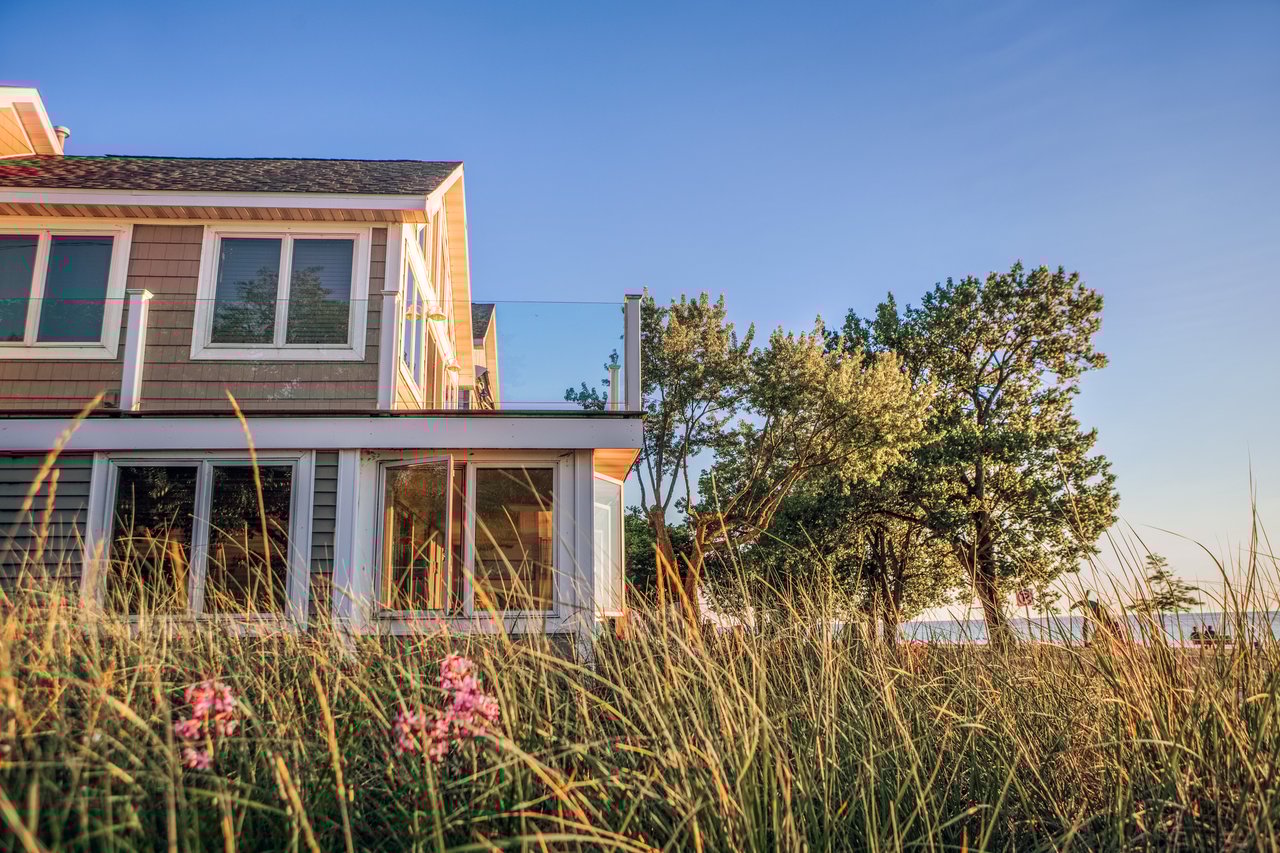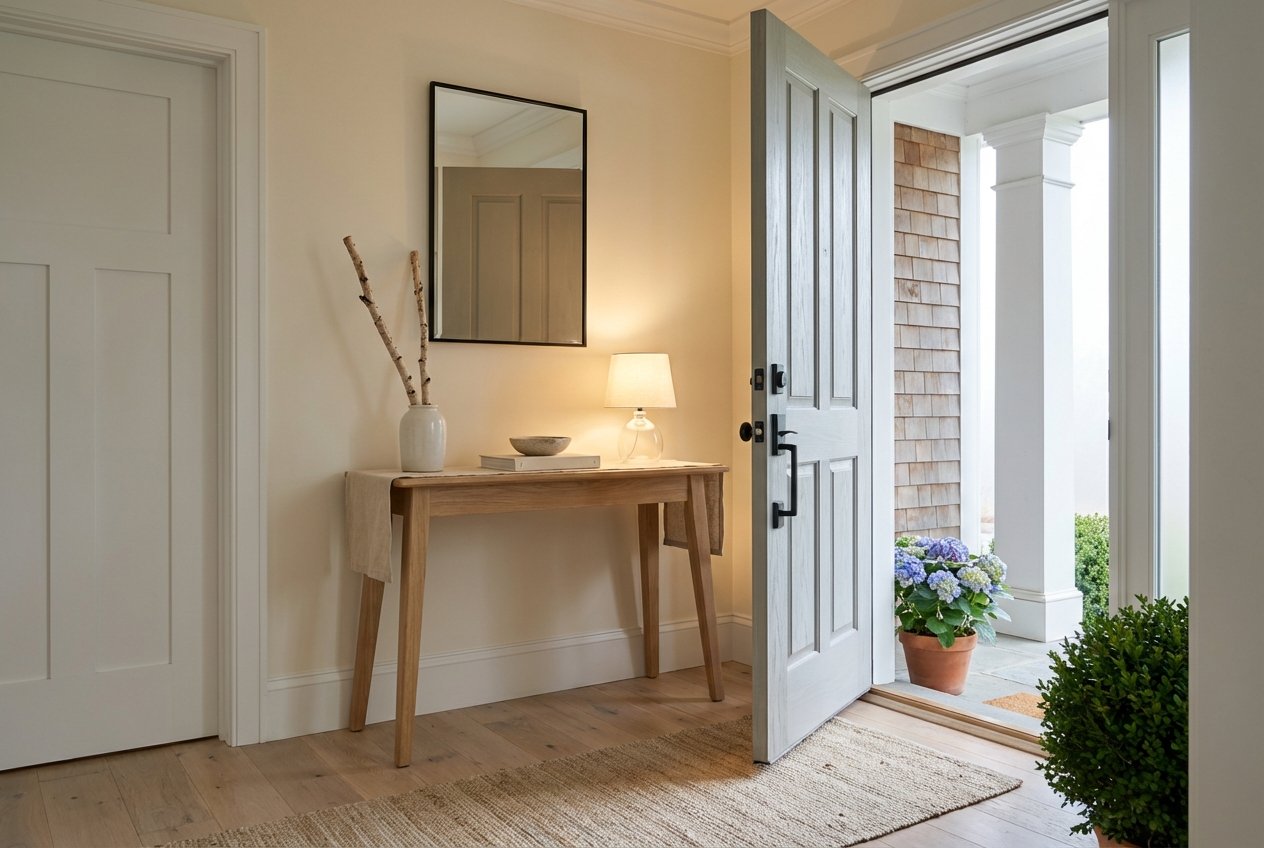
You get only one first showing, and in Saco it usually happens online. When your photos stop a buyer’s scroll, you earn more showings and stronger offers. Strategic staging is how you control that first impression. In this guide, you’ll see what staging actually does for your bottom line, how to prep on a 3–4 week timeline, where to spend for the biggest impact, and what it really costs in 04072. Let’s dive in.
Why staging works in Saco
Staging is not just fluff. It is a proven sales tool that helps you earn more and sell faster. In the National Association of Realtors’ latest staging profile, 29% of agents reported offers 1–10% higher on staged homes, and 49% saw reduced time on market. Even more telling, 83% of buyers’ agents said staging helped their clients visualize a property as a future home. You can review those findings in the NAR summary of staging impacts and costs for additional context: NAR’s profile of home staging.
Industry stager datasets sometimes show even larger gains. The Real Estate Staging Association compiles results from staged projects submitted by member firms. Their samples tend to highlight significant speed and price improvements, though the data is sourced from staged homes only. If you want the stager’s-eye view of what works, explore RESA’s industry resources.
In a mid-priced, coastal-suburban market like Saco, presentation matters because buyers compare your home against polished listings across Southern Maine. You want your photos and rooms to appeal to a broad audience, including commuters and coastal-minded buyers. That means clean, neutral styling with clear sightlines, bright lighting, and thoughtful touches that communicate care and value.
A 3 to 4 week plan to hit the market
You do not need a long runway to stage well. Here is a practical pre-listing roadmap many Saco sellers follow.
Week 4 to 3: Set strategy
- Align on pricing and target launch date with your agent.
- Identify quick repairs and schedule a deep clean.
- If timing allows, gather a couple of contractor quotes for any visible fixes.
Week 3 to 2: Get a staging plan
- Book a stager consultation. Many firms offer a walk-through plus a written action list.
- Decide on scope: occupied refresh, partial staging for key rooms, full vacant staging, or virtual staging for select spaces.
- Example of a local quick-turn service: a half-day makeover from a Saco-area provider can be a cost-effective jumpstart. See Tod Ashton Design’s half-day makeover for what that looks like.
Week 2 to 1: Install and style
- For occupied homes, complete the refresh in a half or full day focused on high-impact rooms.
- For vacant homes, coordinate furniture delivery and placement. Build in extra lead time during the spring rush.
Week 1 to 0: Capture the visuals
Schedule photography only after staging is complete so every image reflects the finished look.
Confirm delivery times and media rights with your photographer. Many local pros turn around images within 24–48 hours. One Saco option to explore is Bayview Media’s real estate services.
Switch on the marketing the moment photos arrive so you hit the MLS with momentum.
Spend where it counts
You do not need to stage every inch of the house. Focus where buyers focus.
High-impact rooms
- Living room. It is the most influential room for buyers, so get this one right with balanced furniture, layered lighting, and a simple color story.
- Kitchen. Clear counters, add a few warm textures, and make sure cabinet hardware and lighting feel fresh.
- Primary bedroom. Aim for hotel-level calm with crisp textiles, uncluttered nightstands, and neutral art.
NAR’s staging research consistently shows these rooms at the top of buyer priorities. For the full agent-reported breakdown, see NAR’s summary of staging findings.
Design approach that reads well in photos
- Keep palettes light and neutral. Layer in texture with pillows, throws, and a soft rug rather than bold colors.
- Edit personal items and excess furniture. You want open pathways and clear sightlines to windows.
- Dial in lighting. Replace dim bulbs, add lamps for warmth, and maximize natural light.
- Style entry and mudroom areas. In coastal Maine, clean storage and a tidy drop zone say “easy everyday living.”
Media that magnifies your staging
High-quality media makes your staging work harder. Photos are essential, and certain add-ons can boost interest further.
- Hero image. Lead with your best exterior or main living room shot to anchor the listing.
- Twilight photos and drone. These can lift click-through rates when exterior lighting or setting is a differentiator. See data-backed tips in PhotoUp’s photography statistics roundup.
- 3D tours and floor plans. If you expect out-of-area shoppers, give them a way to explore the flow remotely to reduce wasted showings.
What it costs in 04072
Your staging investment should match your price point and goals. Here are typical ranges so you can plan with confidence.
- Staging consultation with written report: often 150 to 500 dollars depending on depth. For questions to ask and what to expect, review this consultation guide.
- Occupied refresh or partial staging: about 400 to 1,500 dollars for an accessory refresh or styling of key rooms. The Saco-area half-day makeover noted above is a good example of budget-friendly impact. Explore Tod Ashton Design’s service.
- Vacant full staging: about 1,500 to 8,000 dollars or more, driven by size, inventory level, and rental duration. For broader benchmarks and how pros price inventory, check RESA’s industry resources.
- Virtual staging: roughly 15 to 75 dollars per image for high-quality manual work, with faster AI options often cheaper. Compare typical pricing in AI Home Design’s overview.
- Photography and media: base interior/exterior packages frequently run 150 to 450 dollars. Add-ons like drone may add 100 to 350 dollars, twilight 125 to 300 dollars, Matterport-style 3D 150 to 400 dollars or more, and floor plans 50 to 150 dollars. For a breakdown of common packages, see this photographer pricing summary.
Every home is different. Your agent can help right-size the plan so staging and media dollars concentrate in the rooms and visuals that sell your story the best.
Saco-specific tips that sell
- Lean into the season. In winter, stage for warmth with layered textiles and well-lit interiors. Highlight storage and clean mudroom areas. In spring and summer, spotlight outdoor seating, tidy lawns, and any coastal proximity or backyard privacy in photos.
- Think like a commuter. Saco’s proximity to Portland makes a clear, efficient main level and a low-maintenance yard especially appealing. Make sure entries and circulation feel open and practical.
- Refresh curb appeal. A pressure wash, clean beds with fresh mulch, a crisp front door, and updated entry lighting are low-cost wins that photograph beautifully.
- Be transparent with virtual staging. Always label virtually staged images and avoid altering permanent features. For MLS-friendly do’s and don’ts, review PhotoUp’s virtual staging compliance tips.
Local resources to consider
- Quick occupied refresh. For a half-day or one-day makeover that focuses on high-impact rooms, review options like Tod Ashton Design’s half-day package.
- Professional visuals. A Saco-based provider like Bayview Media offers photography, video, and quick turnaround. Ask about delivery times, rights, and available add-ons.
Ask your agent for two to three quotes, sample galleries, and local case studies so you can compare fit, availability, and pricing.
Quick prep checklist
- Set your launch window and pricing framework.
- Book a stager consult and agree on scope for the living room, kitchen, and primary bedroom.
- Complete small repairs and schedule a whole-home clean.
- Declutter, edit furniture, and store extras off-site.
- Install staging and style surfaces for photo day.
- Capture pro photos and any planned add-ons like drone or twilight.
- Go live and keep the house photo-ready for the first week of showings.
Your home only gets one debut. A thoughtful, design-forward plan turns that moment into momentum. If you want a seamless process with in-house staging, design support, and coordinated media, our Saco-based team is ready to help. Request a consultation with Bedard Realty to craft a staging-first plan that fits your timeline and goals.
FAQs
What is home staging and why does it matter in Saco?
- Staging is the intentional styling of rooms and surfaces to highlight space, light, and function. In Saco’s competitive coastal market, it helps your photos stand out, which can lead to faster sales and stronger offers per NAR’s staging findings.
How much should I budget to stage a typical home in 04072?
- Many sellers allocate 400 to 1,500 dollars for an occupied refresh, 1,500 to 8,000 dollars or more for full vacant staging, and 150 to 450 dollars for base photography packages, with optional add-ons. See pricing overviews from RESA, AI Home Design, and Pinnacle’s media summary.
Which rooms should I stage first if my budget is limited?
- Focus on the living room, kitchen, and primary bedroom. Agent surveys show these rooms most influence buyers, as summarized in NAR’s staging report.
Is virtual staging allowed for Saco listings?
- Yes, it is commonly used, but you must label images clearly and avoid altering permanent features. For best practices that keep you MLS compliant, see PhotoUp’s guidance.
When should I schedule photos in my 3–4 week plan?
- Book your photographer after staging is fully installed so every image reflects the finished condition. Consider add-ons like twilight or drone if exterior lighting or setting is a key selling point, as outlined in PhotoUp’s photography statistics.