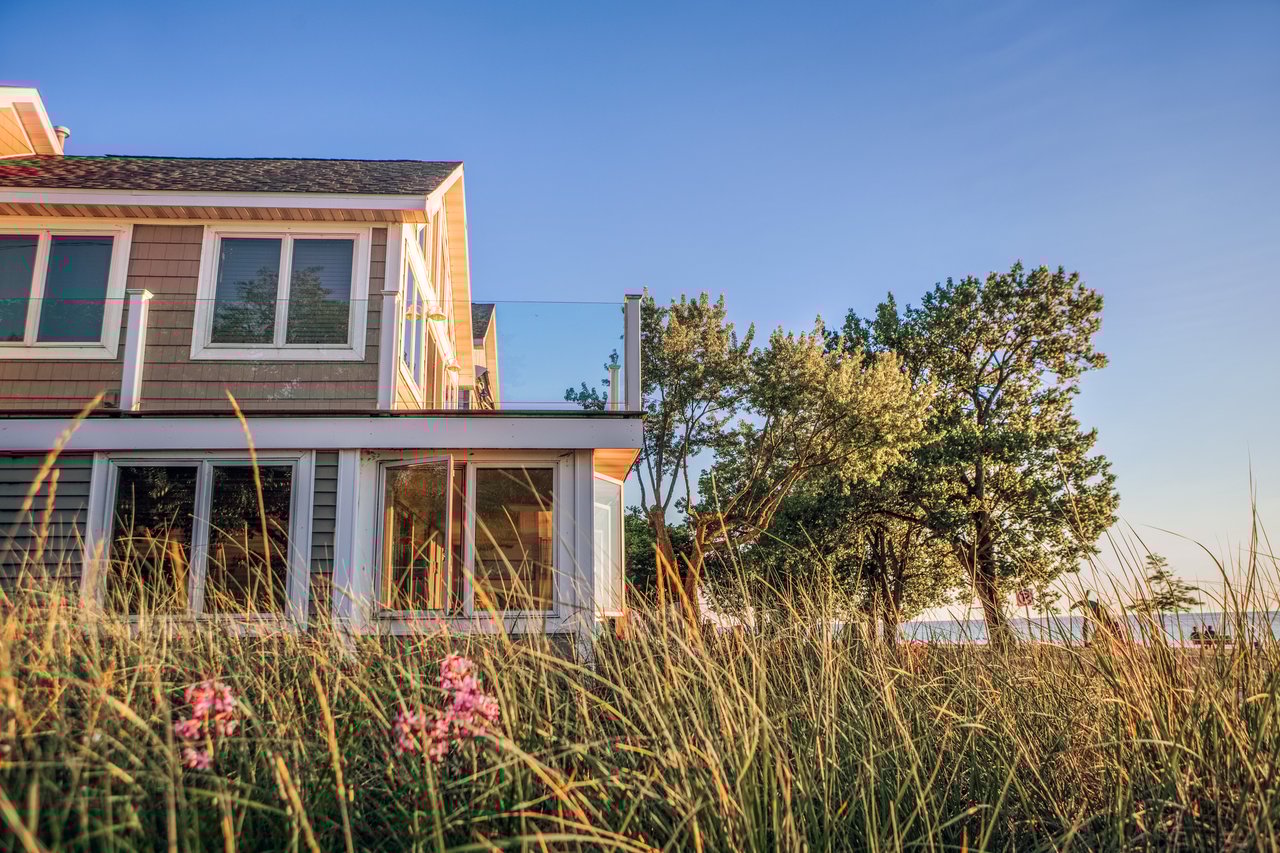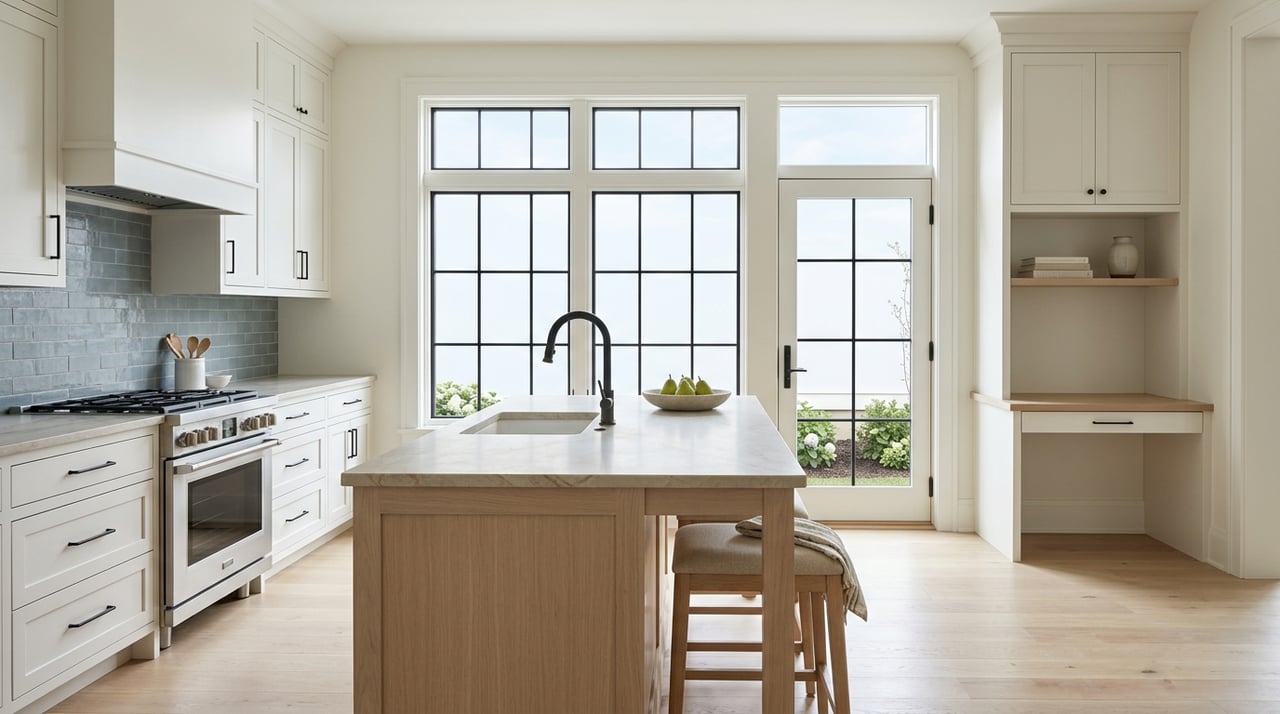
Wondering why some Portland homes feel fresh, calm, and current while others lean too themed or out of step with the house itself? In a city shaped by historic architecture, coastal weather, and changing lifestyle needs, modern coastal design works best when it feels rooted in place. If you are buying, selling, or updating a home in Portland, understanding these trends can help you spot lasting value and make more confident design decisions. Let’s dive in.
Portland’s Coastal Style Starts With Context
Portland’s housing stock spans a wide range of architectural styles, from Colonial and Federal homes to Shingle Style, Modern, and Post Modern properties. According to Portland Landmarks’ guide to local architecture, that mix is a big reason modern coastal design here tends to feel like an updated New England language rather than a dramatic departure.
In practice, that means the most successful homes usually balance fresh interiors with respect for the original structure. A Shingle Style house may welcome lighter finishes and cleaner lines, while a Modern home may naturally support larger glass areas and simpler surfaces. In Portland, good design usually works with the home’s bones, not against them.
Light-Filled Interiors Matter More
One of the clearest design shifts in Portland homes is the move toward brighter, more open-feeling interiors. Recent Houzz home-office trend coverage highlights spaces with natural light, thoughtful storage, and a balance of style and function, and Maine examples reflect that same preference.
That trend makes practical sense in Portland. The local climate includes a long heating season, frequent freezing days, and plenty of gray winter light. Rooms that capture daylight well, improve sight lines, and feel visually calm can make a home feel more comfortable year-round.
What Buyers Notice First
If you are touring homes, you will often feel this trend before you can name it. Spaces with larger windows, brighter wall colors, and better visual flow tend to read as more current and usable.
You may also notice how much difference orientation and layout make. Regional examples featured by Maine Home + Design show how floor-to-ceiling glass, south-facing living spaces, and light-filled work areas can create a more modern coastal feel without relying on obvious beach references.
Natural Materials Are Leading the Look
Modern coastal design in Portland has moved away from stark white-and-blue schemes and toward warmer, more organic materials. Houzz trend reporting points to medium wood tones, earthy colors, sustainability, and materials chosen for longevity.
In Portland-area homes, that often shows up through light hardwood floors, wood millwork, stone surfaces, woven textures, and metals that age gracefully. Regional design examples often translate these broader trends into cedar shingles, white cedar shiplap, soapstone, honed marble, brass, rattan, cane, and simple natural textiles.
Why Warm Woods Work Here
Warm woods soften the clean lines that often define modern interiors. They also connect naturally to Portland’s traditional architecture, especially in homes with historic details or coastal New England forms.
For sellers, this is worth noting because buyers often respond to spaces that feel both fresh and grounded. For buyers, these finishes can signal a home that has been updated with long-term appeal in mind rather than short-lived trends.
Flexible Rooms Are Now Expected
Portland buyers increasingly value rooms that can do more than one job. The same Houzz workspace trends show growing interest in built-ins, drawers, shelving, and layouts that support work, reading, planning, or guest use in one space.
That is especially relevant in older Portland homes, where square footage may be divided into smaller rooms. A spare bedroom, upper landing, finished lower level, or tucked-away nook can become much more useful when storage and function are handled well.
Features That Add Daily Function
The strongest modern coastal homes often include practical features such as:
- Built-in storage
- Mudroom or entry storage
- Defined zones within open areas
- Multipurpose office or guest space
- Calm, uncluttered finishes that support flexible use
These details matter because they make a home easier to live in, not just nicer to photograph.
Subtle Coastal Beats Themed Coastal
One of the biggest shifts in coastal design is restraint. Recent Maine Home + Design coverage of a Casco Bay home shows a deliberately subtle approach, where layered textures and local materials create a coastal mood without turning the home into a beach set.
That is the direction Portland homes are following. Instead of obvious nautical decor, today’s modern coastal interiors rely on texture, muted blue-green or sandy neutral palettes, natural wood, stone, local art, and small references to the water.
How To Recognize a Modern Coastal Look
A modern coastal room in Portland usually feels:
- Calm rather than busy
- Textural rather than themed
- Light-filled rather than stark
- Rooted in local materials rather than novelty decor
- Functional first, coastal second
This approach tends to age better and appeal to a wider range of buyers.
Portland Weather Shapes Design Choices
Style matters, but so does durability. Portland’s climate normals show an annual mean temperature of 47.5°F, annual precipitation of 48.12 inches, annual snowfall of 68.7 inches, average relative humidity of 73%, and about 144 days per year with minimum temperatures at or below freezing, according to the National Weather Service climate data for Portland.
That combination of moisture, snow, freeze-thaw cycles, and humidity rewards materials that are durable and repairable. In other words, the best modern coastal choices in Portland are not just attractive. They are practical for the conditions.
Materials That Align With the Climate
Regional examples highlighted by Maine Home + Design show how coastal homes often pair aesthetic goals with performance-minded materials. Common choices include:
- Cedar shingles that weather naturally over time
- Powder-coated steel and anodized aluminum
- Low-maintenance trim details
- Metal roofing
- Carefully detailed glass areas designed for light and efficiency
If you are comparing homes, these kinds of materials can point to more thoughtful planning and lower-maintenance ownership over time.
Waterfront Areas Need Extra Planning
For homes closer to the harbor or exposed coastal edges, resilience becomes even more important. Maine’s coastal guidance notes that Portland sea level has risen over time, and the Maine Emergency Management Agency recommends planning for 1.5 feet of sea level rise by 2050 and 4 feet by 2100, according to the state’s sea level rise guidance.
That does not change the appeal of waterfront living, but it does make practical detailing more important. Exterior drainage, repairable materials, and low-maintenance finishes become part of the design conversation, not just the construction checklist.
Historic District Rules Can Affect Exterior Updates
If a Portland home is in a designated historic district or is a designated landmark, some exterior work may need review before it moves forward. The city notes that the Historic Preservation Board reviews certificates of appropriateness for exterior alterations, site improvements, and new construction affecting landmarks and historic districts.
For homeowners, that can shape choices around windows, siding, porches, and other visible exterior changes. For buyers, it is a useful reminder that the right design plan may involve both style considerations and local review requirements.
What This Means If You’re Buying or Selling
If you are buying in Portland, modern coastal design is worth looking at through two lenses: how the home feels and how the home functions. Bright interiors, cohesive materials, useful storage, and flexible rooms often signal stronger everyday livability and more lasting appeal.
If you are selling, these trends can help you focus on updates and presentation choices that resonate with current buyers. Clean sight lines, layered natural texture, and a restrained coastal look often make a home feel current without making it feel overly specific.
At Bedard Realty, we believe the best homes blend aesthetics with practicality. Whether you are evaluating a Portland property, preparing a home for market, or thinking through design-forward updates in Southern Maine, our team brings a construction-aware and client-first perspective to the process. If you are ready for tailored guidance, Bedard Realty is here to help.
FAQs
What is modern coastal design in Portland homes?
- Modern coastal design in Portland usually means light-filled interiors, natural materials, flexible layouts, and subtle coastal references that fit the home’s architecture and local setting.
Are open layouts still popular in Portland homes?
- Yes. Open layouts are still desirable, but they tend to work best when paired with defined zones, built-ins, and strong natural light.
What materials work well for Portland’s coastal climate?
- Durable, repairable, and low-maintenance materials such as cedar shingles, stone, metal details, and carefully planned glass areas tend to align well with Portland’s moisture, snow, and freeze-thaw conditions.
Do Portland historic districts affect exterior renovations?
- Yes. If a home is in a designated historic district or is a designated landmark, exterior changes such as windows, siding, and porch work may require Historic Preservation Board review.
Do coastal interiors need nautical decor to feel on-theme?
- No. The strongest regional examples use texture, muted palettes, natural materials, and subtle references to the coast rather than obvious themed decor.