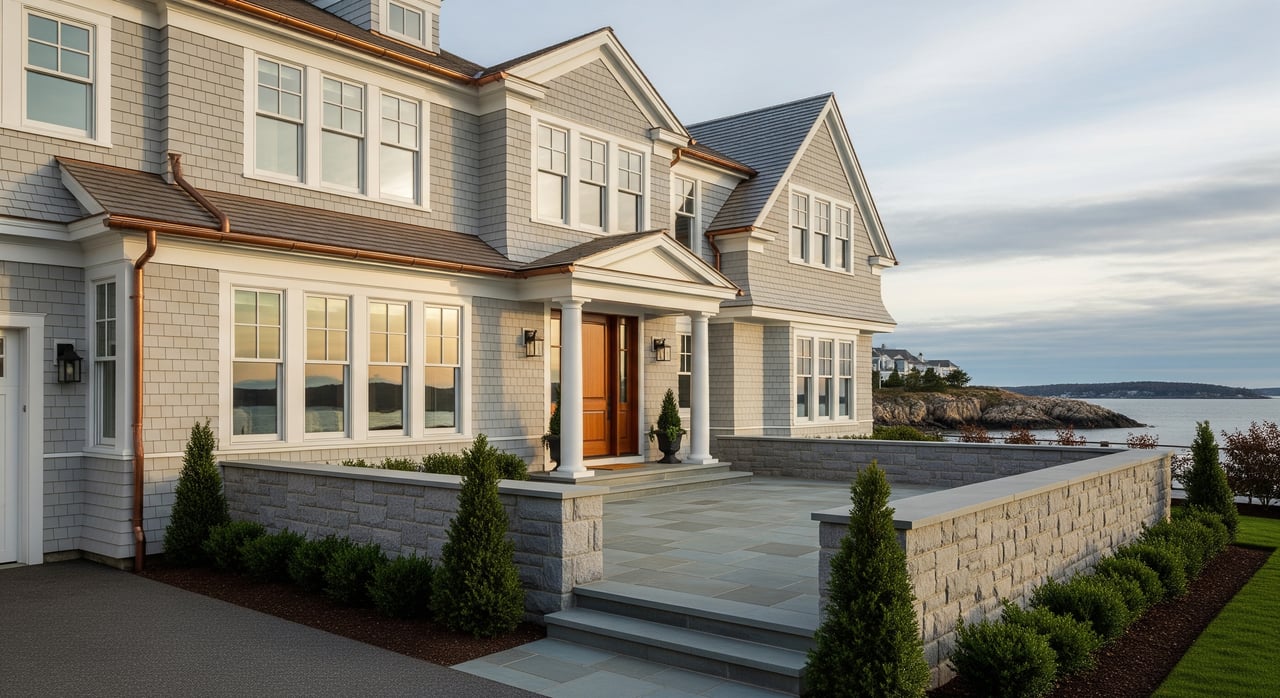
Thinking about buying in Portland, Maine, but unsure where to start? You are not alone. Portland is a beautiful small coastal city with strong demand, older homes, and seasonal rhythms that can be tricky to time. In this guide, you will get a clear look at what drives prices, how inventory works, what inspections matter most, and how to shop neighborhoods with confidence. Let’s dive in.
Market snapshot for buyers
Portland saw a surge in demand during 2020 to 2022 as buyers prioritized lifestyle, walkability, and remote work flexibility. As mortgage rates rose from late 2022 onward, the pace cooled, but limited supply helped the market moderate rather than drop sharply. The result is a city that still commands steady interest, especially in popular neighborhoods and well-presented homes.
Seasonality is a key factor. Spring and summer bring more listings, open houses, and out-of-state visitors. Winter is slower, which can mean less competition and more room to negotiate if you are flexible. Before you write an offer, check the latest local MLS data for median price, days on market, and months of supply to get a live read on conditions.
What drives demand in Portland
Portland’s draw is a blend of career and lifestyle. Major employers in healthcare, higher education, government, and professional services create a steady base. A thriving food scene, arts and culture, and easy access to the waterfront add to the appeal. Many buyers come from larger metros looking for a walkable city that still feels manageable.
Remote and hybrid work also expand the buyer pool. Some buyers choose condos near downtown for low-maintenance living. Others seek single-family homes with a yard in neighborhoods a bit farther from the core. Investor interest shows up in multi-family purchases and in areas where short-term rentals may be attractive. That mix can intensify competition for certain property types.
What inventory looks like
Much of Portland’s housing stock is older, with many homes dating to the late 19th and early 20th centuries. You will find a mix of downtown and Old Port condos, historic single-family homes in the West End and Deering, and pockets of infill development. Large-scale new single-family neighborhoods are limited inside the city due to land constraints, historic protections, and municipal review processes.
Condos and single-family homes move differently. Condos in the Old Port and downtown often see faster turnover and higher price per square foot. Single-family homes with yard space draw buyers who want room to grow. Overall, inventory runs tight compared with many non-coastal small cities, so being prepared helps you act quickly when the right home appears.
Neighborhoods and nearby options
Portland’s neighborhoods vary in vibe and housing types. Here are broad snapshots to help you start your search. Always verify current pricing and availability with fresh market data.
- Old Port and Downtown: Walkable, condo-heavy, and high demand per square foot.
- West End: Historic, architecturally significant homes near downtown amenities.
- East End and Arts District: Mix of condos and single-family homes with a lively scene.
- Deering, Deering Center, and Rosemont: Single-family options with yards and neighborhood schools.
- Bayside and Nason’s Corner: Areas with infill and redevelopment, including newer housing near the core.
Many buyers compare nearby Southern Maine towns as well:
- South Portland: Close to Portland with its own commercial hubs and coastal neighborhoods like Willard Beach.
- Falmouth: Suburban, generally higher-priced single-family homes with more space.
- Scarborough: Coastal and suburban mix, growing housing options.
- Cape Elizabeth: Coastal, often among the higher-price points with desirable waterfront.
- Westbrook and Gorham: Typically more affordable with commuter access to Portland.
When comparing, look at price per square foot, typical lot sizes, commute times, municipal services, and current inventory.
The buyer playbook
A strong plan sets you up for success. Use this simple roadmap to move from search to closing with confidence.
Get your financing set
- Secure a pre-approval from a lender experienced in Maine. Local knowledge helps with taxes, insurance, and flood considerations.
- Ask about rate options and how points or ARM choices can affect your monthly payments.
- Discuss closing cost estimates and cash-to-close so you can move quickly on the right home.
Tune your offer strategy
- Expect more choice in spring and summer, and potentially more leverage in winter.
- For popular listings, be ready with clean terms and reasonable timelines.
- In cooler situations, you can keep inspection and financing protections without losing competitiveness.
Build a local team
- Choose an agent with Portland and Cumberland County expertise and access to Maine’s MLS.
- Hire inspectors familiar with older Maine homes, oil-fired systems, chimneys, and potential lead paint.
- Work with vendors who understand condo associations, reserve funds, and coastal insurance.
Inspections to prioritize
Older homes and coastal proximity call for careful due diligence. Make these checks part of your plan:
- General home inspection for structure, systems, and safety.
- Electrical and plumbing, especially in older properties that may have outdated components.
- Heating systems, including age, fuel type, and efficiency for oil or gas equipment.
- Chimney and fireplace evaluations for safety and function.
- Energy efficiency, including insulation and windows, to plan for winter costs.
- Septic and well testing when properties are not on municipal services. Many Portland homes are on public water and sewer, but always confirm.
- Flood considerations for coastal or low-lying properties. Verify FEMA flood zone status, elevation certificates, and insurance needs.
- Condo association review, including covenants, reserve studies, assessments, and parking policies.
Costs to budget
Buying in Maine includes a few line items that are easy to plan for if you know them upfront.
- Closing costs in the low single-digit percentage range of your purchase price, depending on loan fees, appraisal, and title.
- Property taxes that vary by municipality. Request recent tax bills and learn about exemptions.
- Insurance, including possible flood coverage and coastal wind considerations where applicable.
- Renovation and maintenance reserves, especially for older homes that may need near-term updates.
Timing your search
Your timing can shape your options and leverage. Spring and summer deliver more new listings and busy showing schedules. If you want more selection, that is your season. If you prefer fewer competing buyers, winter can work in your favor. Relocating buyers often plan a spring visit to tour multiple homes in a single trip.
New build or renovate
Inside Portland, large new subdivisions are rare, but infill projects and condo developments do come to market. If you love a location but the home needs work, a renovation can unlock value. Factor in scope, budget, and timeline before you commit. A design-forward plan, clear permitting strategy, and reliable construction oversight are key to making the numbers work.
If you want turnkey or a custom path, pairing your search with expert construction guidance helps you weigh tradeoffs between new builds nearby and renovations within city limits.
How to compare Portland and nearby towns
Create a simple comparison grid for Portland, South Portland, Falmouth, Scarborough, Cape Elizabeth, Westbrook, and Gorham. Focus on these items:
- Price per square foot for your target home type
- Typical lot size and yard space
- Commute time and access to downtown Portland
- Municipal services such as public water and sewer
- Current months of supply and days on market
Use live MLS data to keep the picture current while you tour.
Your next step
Buying in Portland rewards preparation. Inventory is limited, the housing stock is older, and demand is steady, but there are real opportunities for buyers who plan ahead and act decisively. With the right team, you can evaluate a home’s true condition, understand the tradeoffs between neighborhoods, and move confidently when the right fit appears.
If you are ready to explore Portland or compare nearby towns, connect with the team at Bedard Realty. We blend boutique brokerage service with in-house construction and design guidance so you can buy smart, renovate wisely, and enjoy the Maine home you have in mind.
FAQs
Is Portland, Maine still a seller’s market?
- It depends on property type, price point, and timing. Some neighborhoods still favor sellers due to limited supply, while others feel more balanced. Always confirm with current MLS stats.
When is the best time to buy in Portland?
- Spring and summer offer more listings and tours, while winter can bring fewer competing buyers and potential negotiating room. Choose the season that fits your goals.
Do I need a local lender to purchase in Portland?
- Not required, but local lenders often move faster on appraisals and understand Maine taxes and insurance nuances, which can streamline your closing.
What inspections are most important for Portland homes?
- A general inspection plus checks for electrical, plumbing, heating systems, chimneys, and, when applicable, septic and well. For older homes, consider lead paint risk and energy efficiency.
How should I evaluate flood risk in Portland?
- Verify FEMA flood zone status, request elevation certificates, and ask for flood insurance estimates early if a property is near the coast or in a low-lying area.
Is a condo or a single-family home better in Portland?
- It depends on your lifestyle. Condos near downtown provide low-maintenance living and walkability, while single-family homes offer yard space and different long-term costs and upkeep.