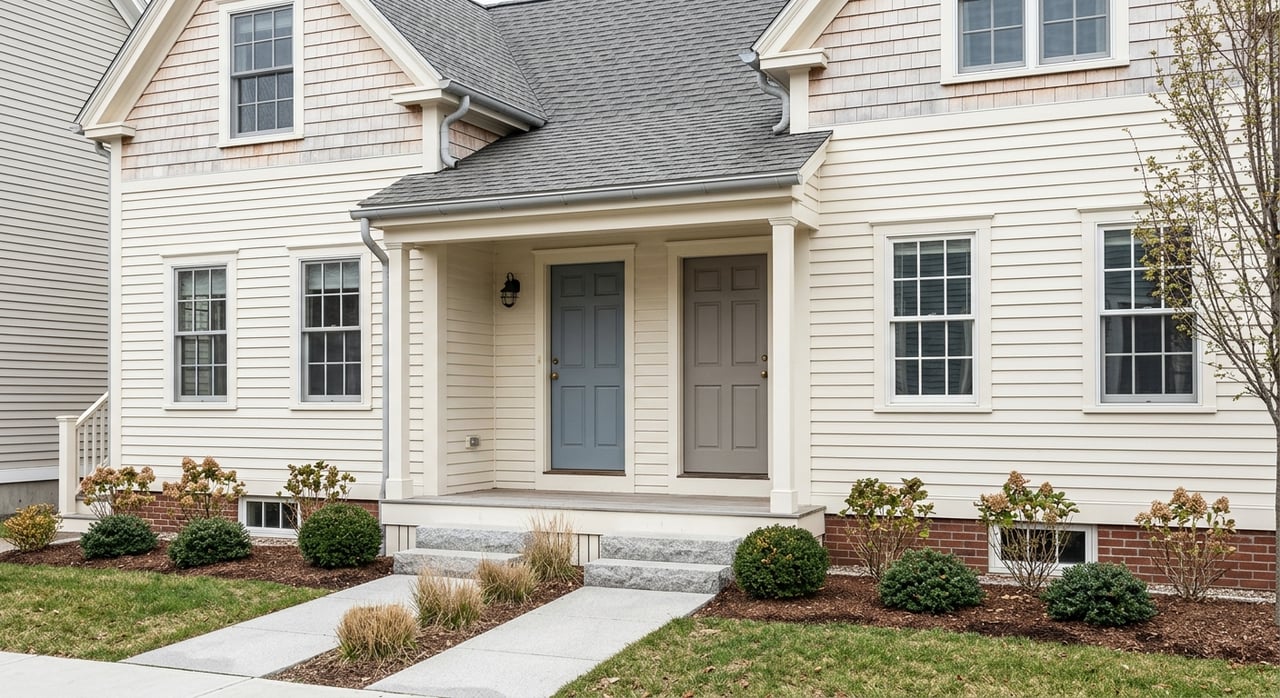
If you are eyeing a duplex, triplex, or other small multifamily in Biddeford, you are looking at a market with real upside and real homework. This is a city with a large renter base, older housing stock, and a mix of legacy multifamily buildings and newer conversion activity, which can create opportunity for both investors and owner-occupants. In this guide, you will learn what makes Biddeford’s small multifamily market distinct, where buyers need to be careful, and how to plan a smarter purchase before you make an offer. Let’s dive in.
Why Biddeford Stands Out
Biddeford’s housing mix makes small multifamily properties especially relevant. City planning data shows 10,576 housing units in 2020, with 52.2% renter-occupied and 47.8% owner-occupied. The same housing profile shows 16.5% of structures are 2-unit buildings and 30.8% are multifamily structures, which helps explain why duplexes and similar properties remain a meaningful part of the local market.
That renter-leaning profile matters if you are thinking about rental demand or an owner-occupied strategy. Biddeford’s planning materials also note that rental vacancy is lower than the rest of York County. While that does not guarantee performance for any one property, it supports the idea that modest rental units remain important in this market.
There is also a practical affordability angle. The city says housing costs have risen faster than household incomes, even though local housing values remain below the broader regional market. For buyers, that can mean continued demand for smaller units and for properties where living in one unit and renting the other may help offset monthly costs.
What Small Multifamily Looks Like Here
In Biddeford, small multifamily inventory is often older urban housing rather than newer purpose-built product. The city’s housing plan says the downtown core contains much of the oldest multifamily stock, much of it built before 1950, and that these properties range from duplexes to 25-unit structures. If you are shopping here, you should expect character, age, and variety rather than a uniform product type.
You should also expect a changing inventory mix. The city projects that new housing units will continue to grow in the Downtown area and Mill District as conversions add more units. That means your search may include classic duplexes, adaptive reuse buildings, and some properties shaped by broader redevelopment activity.
For buyers, this mix creates both flexibility and complexity. Two properties with similar unit counts may have very different layouts, systems, renovation histories, and long-term upkeep needs. That is one reason local, property-level due diligence matters so much in Biddeford.
Older Housing Creates Opportunity and Risk
Biddeford is, by the numbers, an older housing market. The city lists a median year built of 1952, and its planning materials show that 43.3% of the housing stock was built before 1940. City data also says 1 in 4 housing units are in below-average condition.
That combination can create value-add potential, but it also raises the bar for careful review. The city’s housing assessment notes that older housing often has maintenance, energy-efficiency, electrical, and plumbing issues. In practice, that means the best opportunity is not always the prettiest cosmetic makeover. Often, the most important work is hidden behind walls, under floors, or above ceilings.
If you are evaluating a duplex or triplex, think beyond paint colors and countertops. In Biddeford, real upside often comes from improving systems, addressing the building envelope, and handling life-safety items that older properties may have deferred over time. Buyers who budget only for surface-level updates can get surprised quickly.
Focus Your Due Diligence on Big-Ticket Items
When you tour a small multifamily in Biddeford, your inspection mindset should be practical and disciplined. The city’s own housing materials suggest that older stock often needs attention in the areas that matter most to safety, efficiency, and long-term durability.
Pay especially close attention to:
- Roof condition and signs of water intrusion
- Windows and insulation performance
- Heating systems and fuel setup
- Plumbing age and function
- Electrical service and panel updates
- Common area condition
- Life-safety components
- Exterior envelope and deferred maintenance
These items may not be as exciting as cosmetic upgrades, but they can shape your budget and timeline more than anything else. In a market with older multifamily stock, strong due diligence is less about finding perfection and more about understanding scope before you close.
Lead-Safe Work Matters in Older Buildings
If the property was built before 1978, lead-safe renovation practices should be part of your planning. Maine DEP and Maine CDC both direct owners and contractors to use lead-safe methods when renovation work disturbs lead paint in older housing. That is especially important in Biddeford because much of the older multifamily stock is concentrated in the downtown core.
The city’s housing assessment also notes that its lead-abatement program targets pre-1978 multifamily units in the downtown area. For buyers, that is a reminder that renovation planning in this market should include more than design ideas and contractor pricing. It should also include safe work practices from the start.
Zoning and Legal Use Come First
One of the smartest steps you can take before closing is to confirm legal use. Biddeford’s land-use table explicitly lists duplex or 2-family and multifamily dwelling uses, and it notes that multifamily use shall not exceed 10 units per structure. That supports small multifamily development and ownership in the city, but it does not mean every property works the same way in every district.
Exact feasibility still depends on zoning district rules and any lot, setback, or performance standards that may apply. If you are buying with plans to reconfigure units, add bedrooms, or change use, you need to verify what is permitted before you assume your plan will work. In this kind of market, legal use is just as important as physical condition.
Permitting Can Affect Your Timeline
Biddeford’s Code Enforcement Office handles building, plumbing, and electrical permits. The city requires the owner of record or an authorized agent to apply for building permits, and applications require scaled plans, a site plan, and related trade applications. Permits expire one year after issue, and inspections must be scheduled in advance.
This matters because the city does not issue same-day building permits. If your strategy depends on quick renovation, fast turnover, or immediate unit improvements, a poorly planned timeline can slow you down. Buyers who map out code review and inspection needs early are usually in a better position to execute.
At the state level, Maine’s Uniform Building and Energy Code applies to all buildings constructed or renovated in Maine. In practical terms, your renovation scope has to be planned around current code, not just around what the building has today. That can affect budget, design decisions, and sequencing.
Historic Review May Apply Downtown
If you are buying in or near Biddeford’s historic core, exterior work may involve another layer of review. In the Main Street Revitalization District zones, the Historic Preservation Commission reviews construction, exterior alterations, and demolition. In most cases, a Certificate of Appropriateness must be issued before Code Enforcement can issue a building permit for visible exterior work.
That does not mean downtown projects are off-limits. It simply means your planning should account for historic review if your renovation includes visible exterior changes. For value-add buyers, this can affect schedules, scopes, and exterior design choices.
Why Owner-Occupants Should Pay Attention
Small multifamily is not only an investor play in Biddeford. For many buyers, a duplex or triplex can be a way to enter the market with more flexibility. The city’s housing chapter notes that one- and two-person households are common, which supports the role of smaller-unit housing in the local market.
If you plan to live in one unit and rent the other, Biddeford’s housing mix makes that strategy easy to understand. A renter-majority city with ongoing demand for smaller units can create a practical setup for buyers who want a home and an income-producing property in one purchase. The key is to buy with a clear picture of condition, legal use, and renovation needs.
A Smarter Buying Strategy in Biddeford
In this market, the strongest buyers usually do three things well. First, they verify legal use and district rules early. Second, they inspect with a systems-first mindset instead of focusing only on finishes. Third, they build a realistic renovation timeline that accounts for permitting, inspections, possible historic review, and lead-safe work.
That is where a local, construction-aware approach can make a real difference. In a city with aging multifamily stock and project-specific review requirements, buying well is not just about finding a listing. It is about knowing how to evaluate the building, scope the work, and move forward with a plan that fits the property.
If you are considering a duplex, triplex, or other small multifamily in Biddeford, working with a team that understands both the transaction side and the renovation side can help you make clearer, more confident decisions. When you are ready to talk through your options, connect with Bedard Realty.
FAQs
What makes Biddeford attractive for small multifamily buyers?
- Biddeford has a renter-majority housing profile, a meaningful share of 2-unit and multifamily structures, lower rental vacancy than the rest of York County, and a housing stock that often creates value-add opportunities.
What condition issues should buyers watch for in Biddeford multifamily properties?
- Buyers should pay close attention to roofs, windows, insulation, heating systems, plumbing, electrical systems, exterior envelope issues, common areas, and other life-safety or deferred maintenance concerns common in older buildings.
What age of housing is common in Biddeford?
- Biddeford has an older housing stock, with a median year built of 1952, and city planning materials show that a large share of homes were built before 1940.
What zoning rule should buyers know for Biddeford multifamily property?
- Biddeford’s land-use table lists duplex or 2-family and multifamily dwelling uses, and notes that multifamily use shall not exceed 10 units per structure, though district-specific standards still need to be verified.
What permit process should buyers expect in Biddeford renovations?
- The city requires permit applications through Code Enforcement with scaled plans, a site plan, related trade applications, and scheduled inspections, so buyers should plan for review time rather than assume immediate approval.
What should buyers know about historic review in downtown Biddeford?
- In Main Street Revitalization District zones, visible exterior work may require Historic Preservation Commission review and a Certificate of Appropriateness before a building permit can be issued.
Why does lead-safe renovation matter in Biddeford small multifamily properties?
- Many older multifamily buildings in Biddeford were built before 1978, so renovation work that disturbs lead paint should follow lead-safe methods as directed by Maine DEP and Maine CDC.